 by
by When I was in elementary school , the swim team I was on had a very talented swimmer who had all the records for the men’s 15-18 age group. Everyone looked up to him and he eventually went to the Athens Olympics in 2004 and Beijing Olympics in 2008.
Watching him swim, I noticed that even though he was only about 5’7” (170 cm), when he swam in his races he looked much bigger than everyone else. For the most part, this seems to be the case for good swimmers. Faster swimmers always appeared bigger than they actually are when they swim. Why is this? The answer is rotation. They had bigger strokes because they utilize rotation to maximize the length of their stroke. Watching him swim taught me the importance of body rotation.
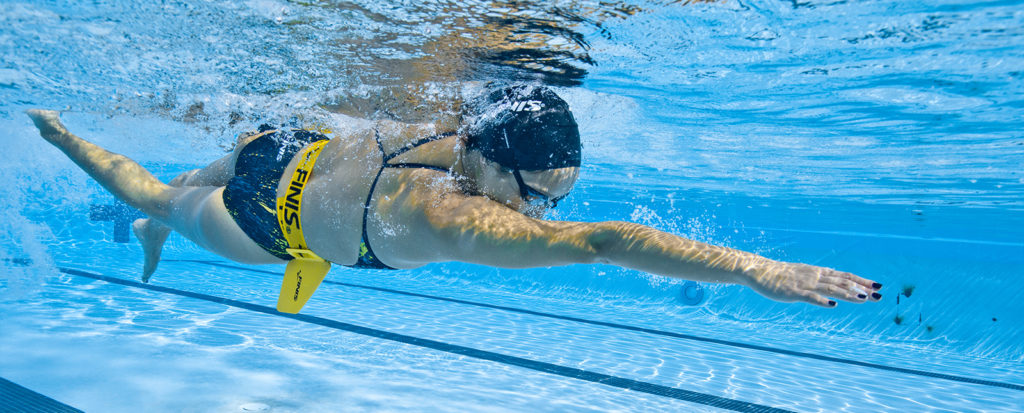
Last year I purchased the product “HydroHip” from FINIS that helps with body rotation. It is a belt that wraps around your waist and adds two fins to create resistance when you rotate your body. This teaches you to swim while driving with your hips and also strengthens your transversal abdominal muscles.
Swimming with these do not slow you down too much and can easily be used in practice such as during warm-up or the set right before or after the main set. I also think they can be used for drills such as the one-arm freestyle/backstroke in addition to the kicking drill where your arms are places by your sides.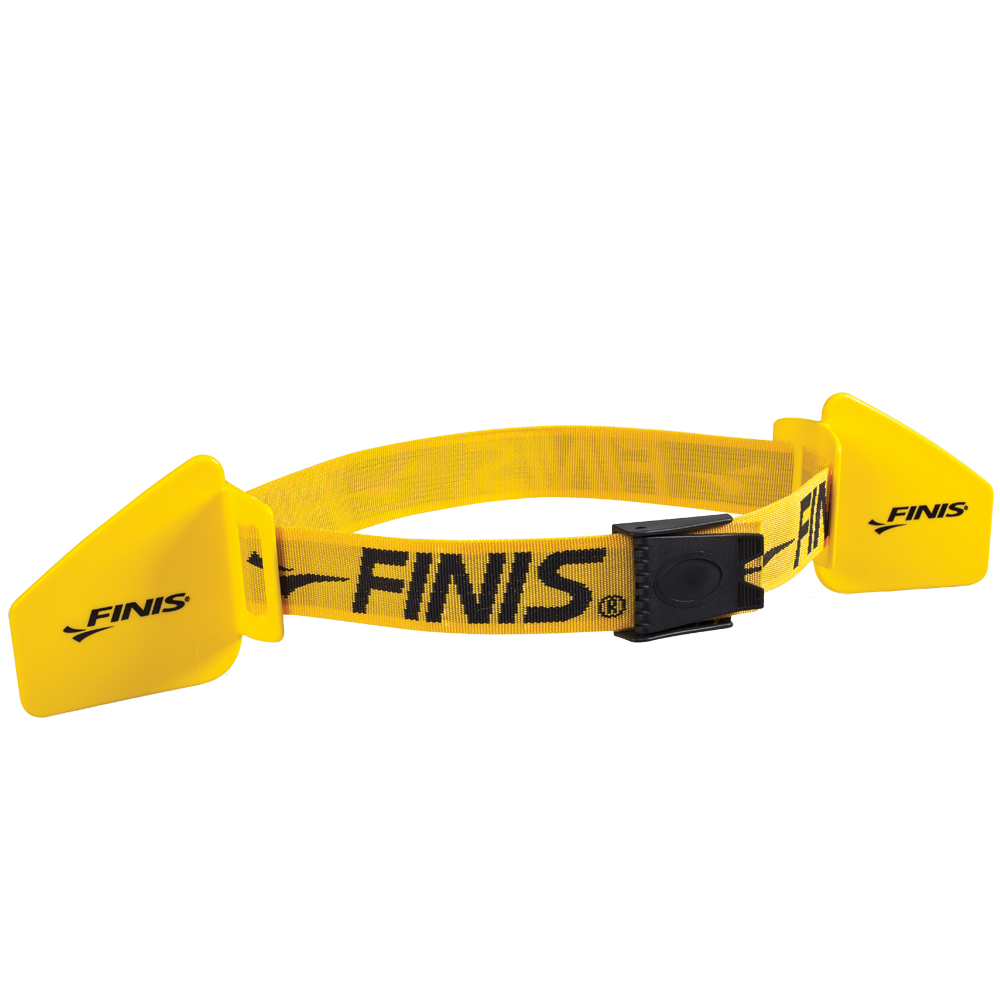 I was afraid that the belt would not be comfortable due to the plastic fins. I feared the fins would poke me during each stroke. Surprisingly the belt is quite comfortable and I did not have any discomfort whatsoever with the fins. The belt strap is made of nylon and is one-size-fits-all and can quickly be adjusted.
I usually suck my stomach in and tighten it similar to a weightlifting belt so that it is nice and tight. This way when I rotate the belt does not wiggle around and cause chafing.
In conclusion, I highly recommend this product and believe it can help immensely for freestyle and backstroke.
Want to learn how to maintain strength, endurance mobility and prevent weight gain during a vacation? Grab a free e-book where I offer the short bodyweight workouts and nutrition plan that I use that still allows do this without sacrificing your relaxing vacation.